Vitamin C: Not Just Immune Support
Jan 01, 2026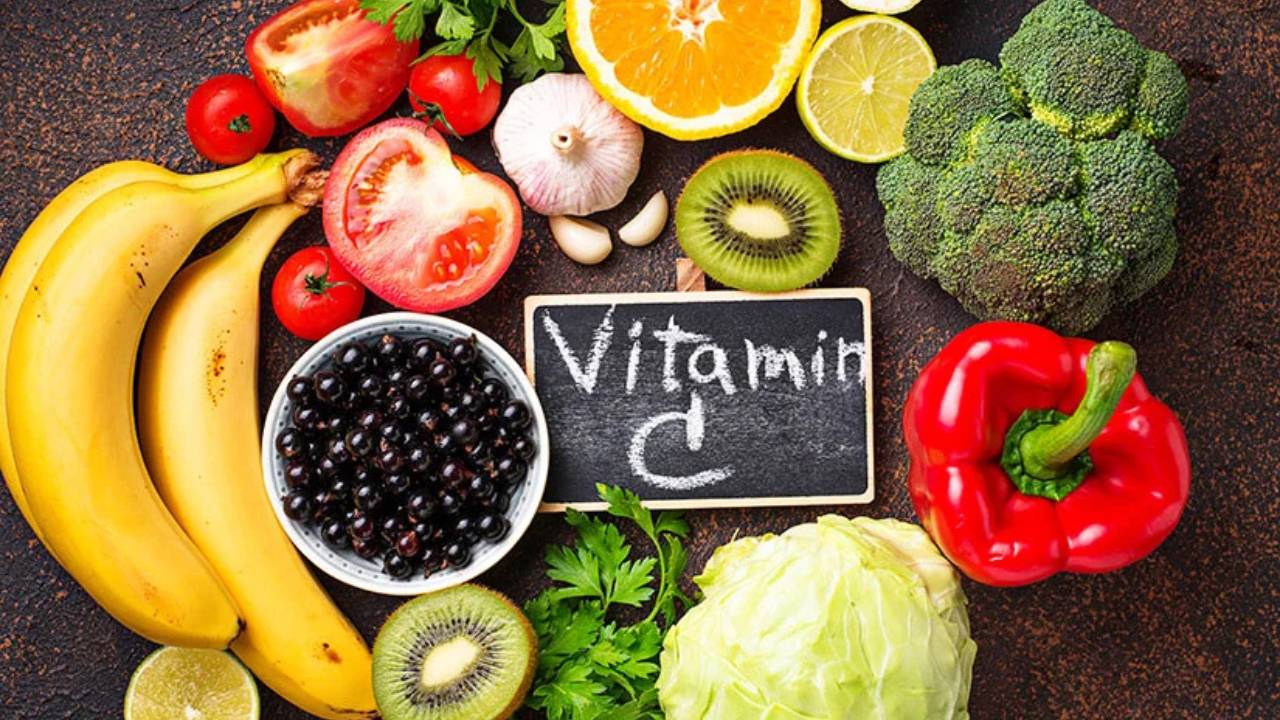
When most people think of vitamin C, they think “don’t get sick.”
And yes—vitamin C absolutely plays a role in immune defense. But stopping there seriously undersells this powerhouse nutrient.
Vitamin C is involved in hundreds of biochemical reactions in your body every single day. From energy and hormones to gut health and even bowel regularity, vitamin C quietly supports many of the processes that help you feel well—not just avoid illness.
Let’s break it down.
What Vitamin C Actually Does in the Body
Vitamin C (ascorbic acid) is a water-soluble vitamin, which means your body doesn’t store much of it. You need regular intake to keep levels optimal.
Here’s where it works behind the scenes 👇
1. Immune Support (Yes—but Smarter Than You Think)
Vitamin C supports immunity by:
-
Enhancing white blood cell function
-
Supporting barrier integrity (skin, gut lining, respiratory tract)
-
Acting as a powerful antioxidant, reducing oxidative stress during illness
-
Helping immune cells recover after they’ve done their job
👉 It’s less about “boosting” immunity and more about regulating and supporting it so your immune response is effective without excessive inflammation.
2. Collagen Production: Skin, Joints, Gut, Blood Vessels
Vitamin C is required to make collagen.
No vitamin C = weak collagen.
This matters for:
-
Skin elasticity and wound healing
-
Joint, tendon, and ligament strength
-
Blood vessel integrity
-
Gut lining health
This is one reason vitamin C often shows up in functional protocols for:
-
Joint pain
-
Leaky gut support
-
Skin aging
-
Post-injury or surgery recovery
3. Adrenal & Stress Support
Your adrenal glands use large amounts of vitamin C.
During periods of:
-
Chronic stress
-
Poor sleep
-
Illness
-
Overtraining
…vitamin C requirements increase.
Vitamin C supports:
-
Cortisol regulation
-
Stress resilience
-
Neurotransmitter production (dopamine → norepinephrine)
Translation: when stress is high, vitamin C is often depleted faster.
4. Energy & Mitochondrial Health
Vitamin C plays a role in:
-
Carnitine synthesis (needed to shuttle fat into mitochondria)
-
Reducing oxidative damage inside cells
-
Supporting iron absorption (critical for oxygen delivery)
Low vitamin C can quietly contribute to:
-
Fatigue
-
Poor exercise tolerance
-
“Wired but tired” feelings
5. Gut Health & Constipation Support
This one surprises many people.
Vitamin C can help with constipation by:
-
Drawing water into the intestines (osmotic effect)
-
Supporting bile flow
-
Supporting gut lining integrity
Some people notice:
-
Softer stools
-
More regular bowel movements
…especially when vitamin C intake is suboptimal.
⚠️ Important note: too much too fast can cause loose stools—this isn’t dangerous, but it is your body’s signal that you’ve exceeded your personal tolerance.
6. Antioxidant Protection & Inflammation Balance
Vitamin C neutralizes free radicals created by:
-
Pollution
-
Inflammation
-
Blood sugar swings
-
Intense exercise
-
Chronic stress
This helps protect:
-
Cells
-
DNA
-
Mitochondria
It also helps regenerate other antioxidants, like vitamin E, making your entire antioxidant network more effective.
7. Iron Absorption & Anemia Support
Vitamin C significantly increases absorption of non-heme iron (from plant foods and supplements).
This is especially important for:
-
Women with heavy cycles
-
Perimenopausal women
-
Anyone with low ferritin or borderline anemia
Food Sources vs Supplements
Vitamin C–Rich Foods
-
Citrus fruits
-
Kiwi
-
Strawberries
-
Bell peppers
-
Broccoli
-
Brussels sprouts
Supplemental Forms (Common Options)
-
Ascorbic acid
-
Buffered vitamin C (gentler on the stomach)
-
Liposomal vitamin C (higher absorption)
The “best” form depends on:
-
Gut sensitivity
-
Dose needed
-
Your specific goals (immune, gut, stress, energy)
How Much Do You Actually Need?
The RDA is just enough to prevent deficiency, not necessarily enough for:
-
Chronic stress
-
Inflammation
-
Gut or immune challenges
Many people feel best with higher-than-RDA intakes—when used appropriately and personalized.
The Takeaway
Vitamin C isn’t just an immune vitamin.
It supports:
-
Gut health
-
Stress resilience
-
Energy production
-
Collagen synthesis
-
Inflammation balance
-
Bowel regularity
If you’re tired, inflamed, constipated, stressed, or just not feeling like yourself, vitamin C status is often part of the puzzle.
And like most things in functional health—dose, form, and timing matter.
✨ Sometimes it’s not about adding more supplements…
✨ It’s about using the right ones, for the right reasons.